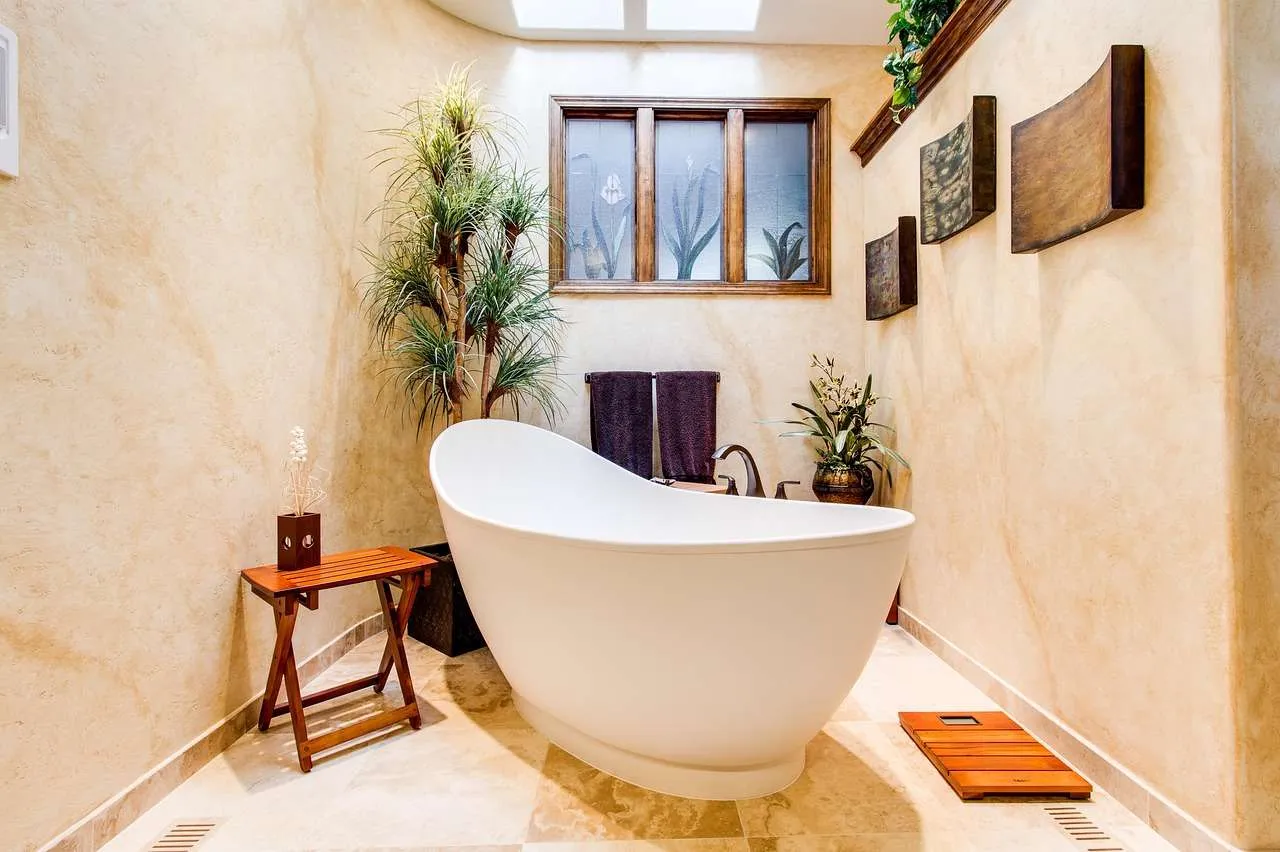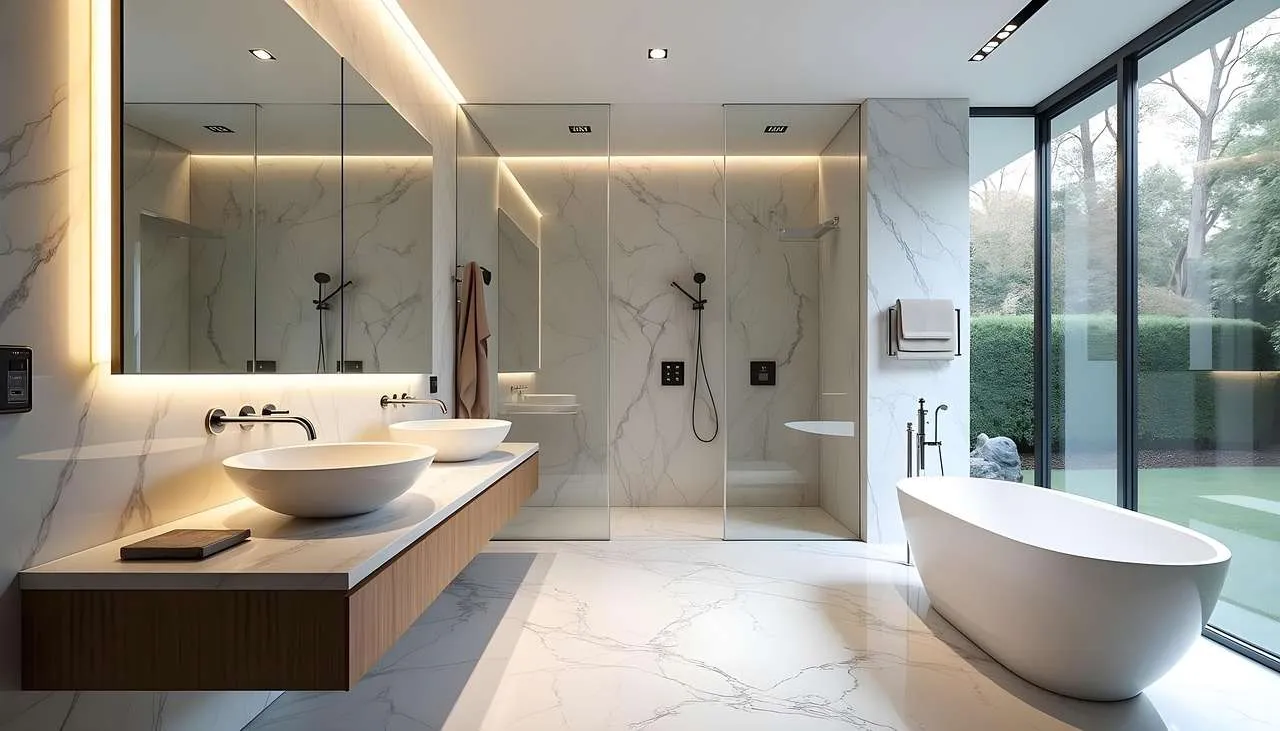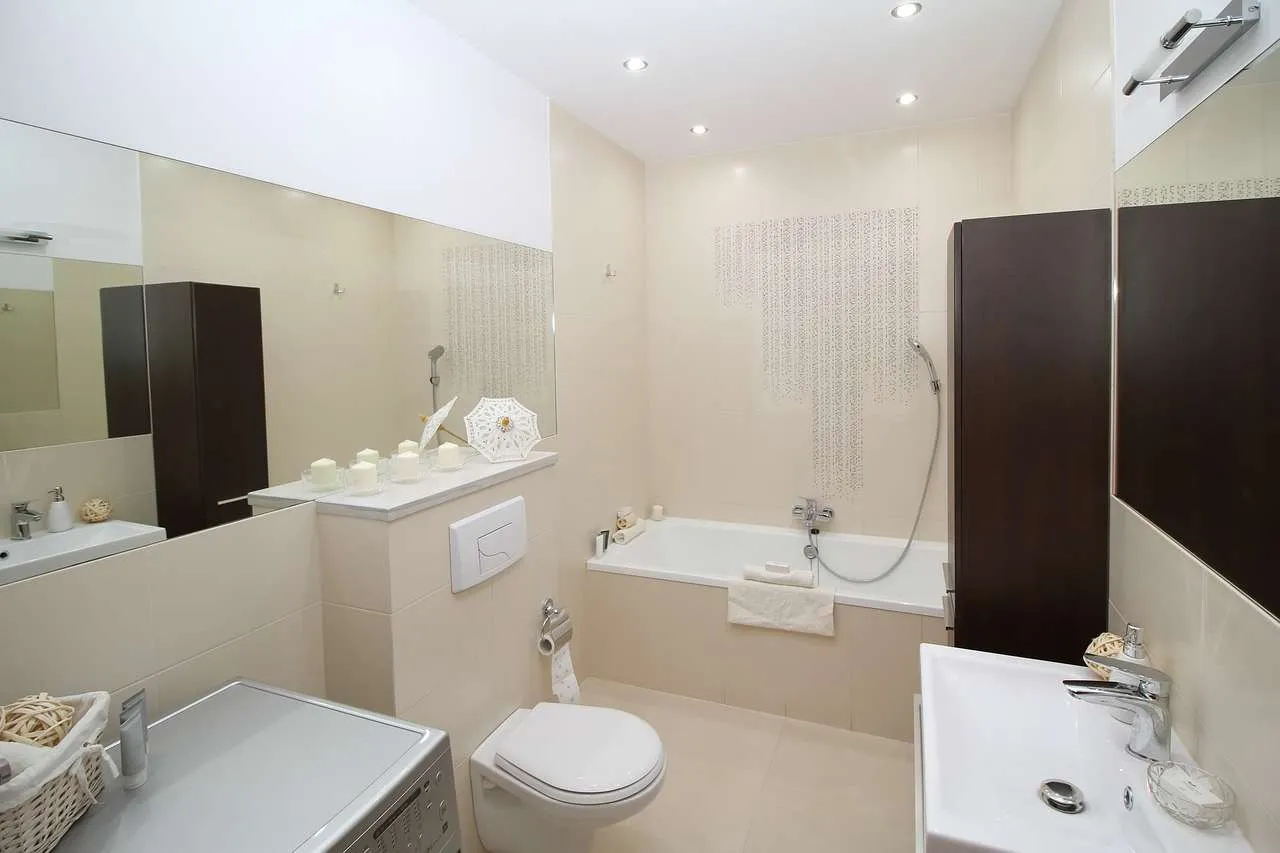
Choosing bathroom tiles is about both form and function. The right tiles visible daily must resist moisture, be easy to clean, and align with your style. This guide covers key materials, installation considerations, maintenance, and budgeting to help you select bathroom tiles with confidence, whether you are updating a powder-room aesthetic or remodeling a full master bath. By leaning on durable materials and smart design, you can achieve a bathroom that looks great for years to come.
Materials overview
Ceramic tiles
Ceramic tiles are a versatile and affordable option made from clay fired at high temperatures. They come in a wide range of colors, patterns, and sizes. Glazed ceramic tiles provide a water-resistant top layer, making them suitable for showers and backsplashes. Practical choices for walls and light-traffic baths, ceramic tiles are easy to cut and install for DIY projects while offering reliable durability when properly installed.
Porcelain tiles
Porcelain is denser and less porous than standard ceramic, with superior water resistance and durability. It works well in wet zones and high-traffic bathrooms. Porcelain can mimic stone or wood, offering design flexibility with better performance in floors and showers.
Natural stone
Natural stone such as marble, travertine, or slate adds luxury but requires more maintenance. Sealants help repel water and stains, and some stone types are more resilient than others. Choose textured finishes for slip resistance in showers or on bathroom floors, and plan for periodic resealing.
Glass tiles
Glass reflects light and creates the sense of a larger space. They are ideal as accent features or backsplashes but can be slippery on floors and show water spots easily. Proper substrate and grout choice are essential for long-term durability.
Cement and resin tiles
Cement and resin-based tiles offer contemporary looks, with bold colors and large-format options. They may require sealing and care to prevent staining, but they resist wear and provide a unique, modern vibe for bathrooms and feature walls.
| Tile type | Water absorption | Durability | Maintenance | Best for | Estimated cost |
|---|---|---|---|---|---|
| Ceramic | Low | Moderate | Low to moderate grout care | Bathrooms and backsplashes | Low |
| Porcelain | Very low | High | Low; sealing not always required | Floors and wet areas | Moderate |
| Natural stone | Moderate to high depending on seal | Variable | High; reseal periodically | Luxury spaces, feature walls | High |
| Glass | Low | Moderate | Low; grout care | Aesthetic accents | Moderate |
| Cement/resin | Low | High | Variable; reseal for cement | Contemporary styles | Moderate to high |
Layout and design choices
Tile size affects perception of space. Large-format porcelain tiles can streamline walls and floors, while small tiles or mosaics add texture and grip in shower floors. Consider grout color; a grout that blends with tile reduces visible lines, whereas contrasting grout can create a pattern or border. Also plan for expansion gaps around existing fixtures and uneven floors, ensuring proper substrate preparation.
Maintenance and care
Regular cleaning with non-acidic cleaners preserves color and finish. Sealing is recommended for natural stone and cement but not always essential for glazed ceramic or porcelain. Address spills quickly to minimize staining, especially on lighter colors. For grout, use a dedicated grout cleaner and reseal every 6 to 12 months depending on usage and sealant type. A professional tile cleaning periodically can restore appearance without damaging the grout.
Budgeting and planning
Budgeting involves material cost, underlayment, waterproofing, and labor. Ceramic and porcelain tiles typically offer the best value for most bathrooms, with porcelain floors and high-density options at the upper end. Natural stone and glass tiles may increase material and maintenance costs but can deliver a striking result. When planning, allow for waste, cuts, and potential substrate repairs. Getting quotes from licensed installers ensures a durable, warrantied job.
Choosing the right installer
Look for a contractor with proven bathroom experience, portfolio photos, and customer reviews. Ask about waterproofing details, substrate preparation, and grout sealing. Request a written plan showing tile layout, cut sizes, and a timeline. A reputable pro will offer a workmanship warranty and provide care instructions for the finished surfaces.
Trends and practical tips
Neutral tones remain timeless, while large-format tiles and wood-look porcelain continue to grow in popularity. Matte finishes reduce glare and hide minor imperfections. For a small bathroom, use light colors, reflective surfaces, and vertical patterns to create a sense of space. Include a tile layout that complements your room shape and fixtures, and consider a splash of color or a contrasting grout to highlight a niche or feature wall.
Conclusion, choosing bathroom tiles involves balancing performance with style, aligning materials to moisture exposure, and planning for maintenance and installs. Ceramic, porcelain, natural stone, glass, and cement options each bring distinct advantages. A well-chosen tile strategy improves durability, resale value, and daily comfort while reflecting your personal taste. Working with a qualified tile installer and following a careful planning process ensures a bathroom that remains beautiful for years to come.