For homeowners and designers, bathroom tile is more than a surface—it's a foundation for style, durability, and resale value. As a seasoned tiling expert with over a decade in the industry, I see how the right tile choice aligns with climate, traffic, and maintenance expectations. This guide covers popular bathroom tile options, layout ideas, installation basics, and care tips to help you make an informed decision that lasts.
Choosing the right bathroom tile
Selecting bathroom tile starts with understanding how it will perform in wet environments, how easy it is to maintain, and the overall look you want. The best tile for one bathroom might differ from another depending on moisture exposure, foot traffic, and surrounding design. In practice, a balanced combination of material, finish, color, and grout can achieve both function and fashion.
Popular bathroom tile options
Ceramic tile
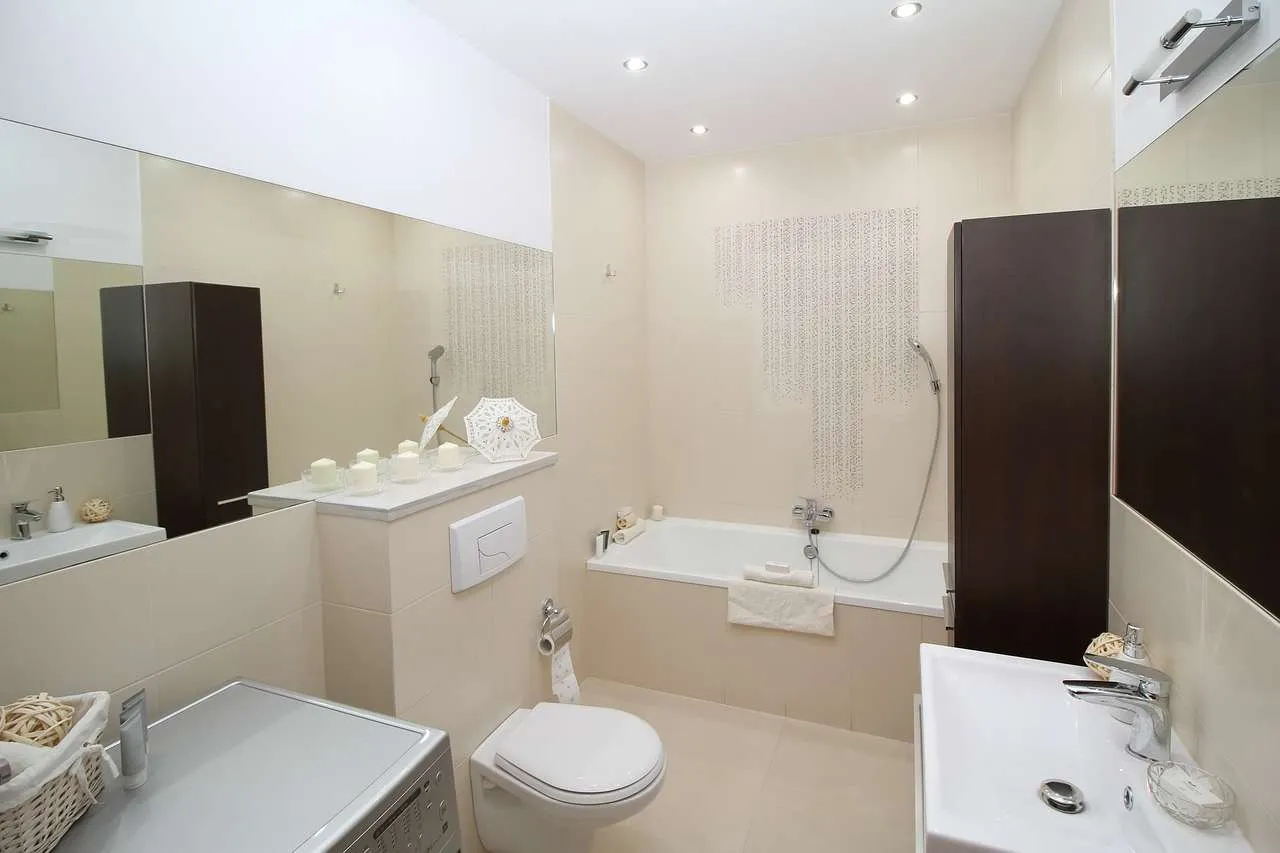
Ceramic tile is budget-friendly, widely available, and available in a vast range of colors and patterns. It is suitable for walls and light-traffic floors. For bathrooms, choose glazed ceramic with a slip-resistant surface and consider a textured finish or larger sizes to minimize grout lines.
Porcelain tile
Porcelain is a denser, less porous option that performs exceptionally well in bathrooms and wet zones. It resists water absorption, is durable, and comes in both wall and floor formats. Porcelain can mimic natural stone or look like bold concrete, providing a premium, low-maintenance solution.
Natural stone
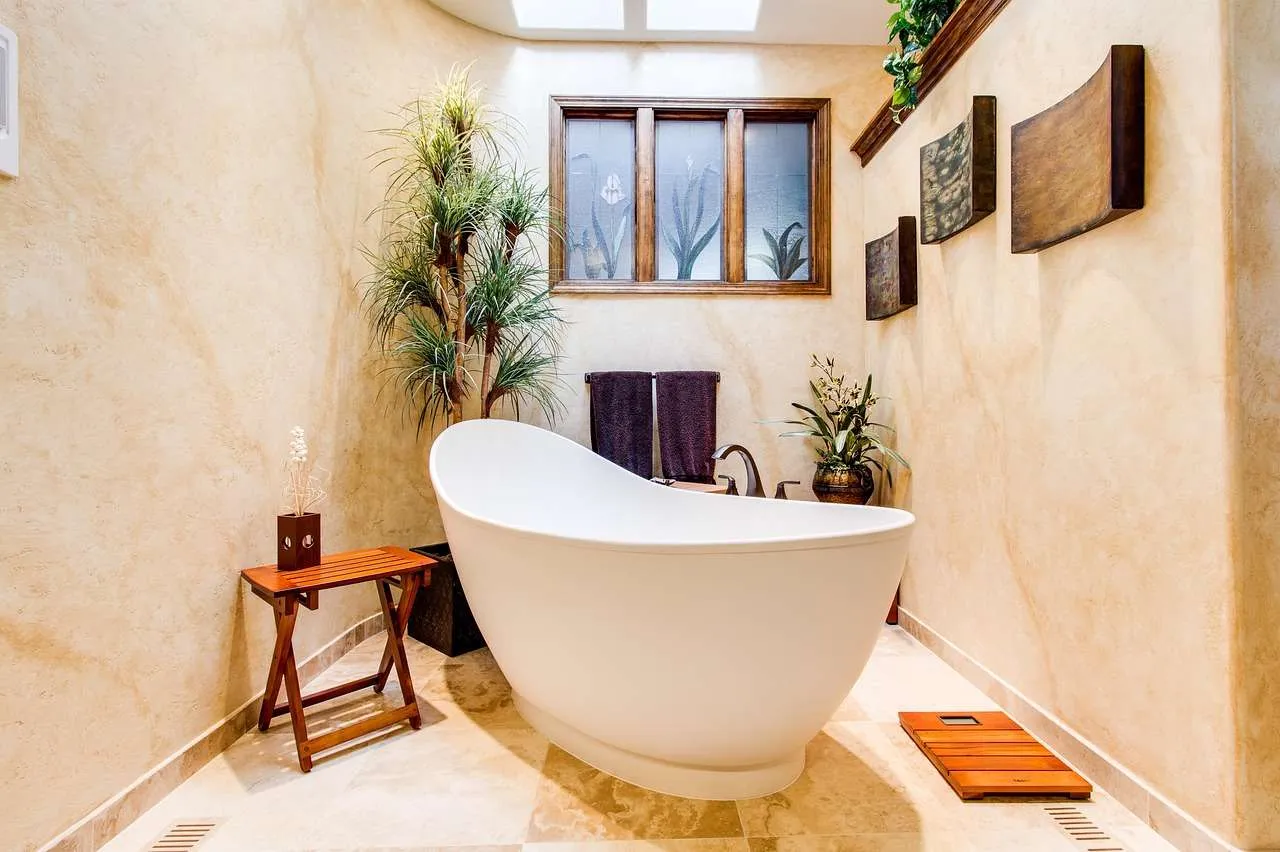
Natural stone such as marble, travertine, or slate adds luxury and warmth but requires more maintenance. Sealants, periodic resealing, and careful cleaning are essential to protect against staining and etching. Textured or honed finishes can reduce slipperiness, but be mindful of higher upkeep in busy bathrooms.
Glass tile
Glass tiles reflect light and brighten spaces, making them ideal for small bathrooms and as accents or backsplashes. They are non-porous and easy to clean but can be more slippery on floors and may show water spots on lighter colors without regular maintenance.
Cement and large-format tiles
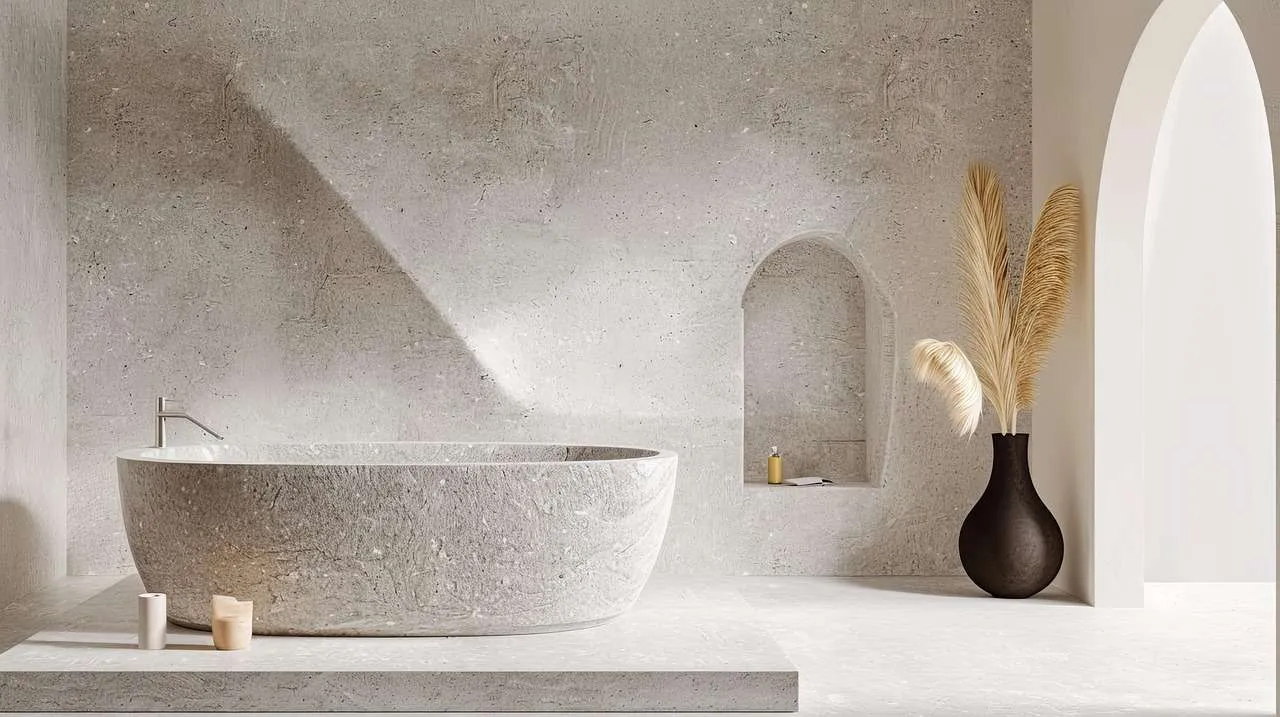
Cement and large-format tiles bring contemporary, minimal lines and fewer grout joints. Large formats reduce maintenance in some layouts and can create a seamless look. Cement tiles are bold and pattern-rich but may require sealing and higher care to prevent staining in wet areas.
Sizes, patterns, and layouts
Size and layout influence perceived space and maintenance. Large-format tiles (12x24 inches or bigger) create a modern, open feel and reduce grout lines, which simplifies cleaning. For small bathrooms, consider lighter colors, large-format floor tiles with a narrow, coordinated wall tile, or a herringbone pattern on the accent wall to add interest without visually shrinking the space.
Patterns like herringbone, subway, or vertical runs can alter perceptions of height and width. When mixing tile types, keep a cohesive color family and vary texture rather than color to maintain harmony while delivering visual interest.
Installation basics and preparation
Professional installation hinges on proper substrate preparation and moisture management. Start with a sound, clean substrate. In wet areas, use a waterproofing membrane or shower pan liner and a cement backer board rated for high humidity. A bonded thinset mortar appropriate for porcelain or stone is essential to prevent movement. After tiling, choose grout with a sealing option suitable for your chosen tile and area’s moisture level. Finally, allow full curing time before use to prevent cracking or loosening.
Important tips from seasoned pros: verify flatness of the substrate, account for expansion joints in large surfaces, and consider radiant heating compatibility where applicable. For DIY enthusiasts, reading manufacturer installation guidelines and wearing personal protective equipment reduces errors and injuries.
Maintenance and cleaning tips
Maintenance choices depend on tile material. Ceramic and porcelain tiles respond well to pH-neutral cleaners; avoid acidic or abrasive products that can wear finishes or grout. Seal natural stone after installation and reseal as recommended by the manufacturer to protect against staining. Grout, especially in high-moisture zones, benefits from sealing as a preventive measure. For glass tiles, wipe with a microfiber cloth to prevent soap film buildup. Establish a simple, regular routine—wipe down walls after showers and perform a deeper clean monthly.
Cost considerations and budgeting
Bathroom tile costs vary widely by material, size, pattern, and labor. Ceramic tiles can be cost-effective, while porcelain and natural stone carry higher price points and installation complexities. Include waterproofing, backer boards, underlayment, grout, sealant, and potential trims in your budget. Labor often represents a significant portion of the total, so requesting detailed quotes from qualified installers helps prevent surprises. Plan for a small contingency to cover substrate repairs or tile replacements later on.
Comparison of common bathroom tile types
| Tile Type | Moisture Resistance | Maintenance | Cost Range | Best For |
|---|---|---|---|---|
| Ceramic | Moderate | Low; simple cleaners | Low to mid | |
| Porcelain | High | Low; sealed grout | Mid to high | Wet zones, floors, long-lasting surfaces |
| Natural Stone | Variable; requires sealing | High; resealing needed | Mid to high | Luxury looks; showers, floors with care |
| Glass | High (non-porous) | Low; streaks show on light colors | Mid to high | Accents, backsplashes; brightens small baths |
| Cement/large-format | High when sealed | Moderate; sealing required | Mid to high | Modern style; minimalist spaces |
Design tips and final considerations
Coordinate tile and grout colors to create a cohesive bathroom aesthetic. For busy households, choose durable porcelain or ceramic with a lighter grout to emphasize clean lines while staying easy to maintain. If you crave color or pattern, use tiles as accents or a feature wall rather than the entire room to avoid overwhelming the space. Finally, hire a qualified installer who understands substrate prep, waterproofing, and proper grout sealing to maximize tile life and the visual impact of your chosen option.
Conclusion, selecting bathroom tile involves balancing durability, style, and maintenance. Porcelain or glazed ceramic excel in wet zones, natural stone adds luxury with extra care, and glass or cement tiles offer unique visuals. Prioritize proper substrate, waterproof membranes, and sealed grout. With a thoughtful layout and appropriate tile choices, your bathroom becomes both functional and timeless.